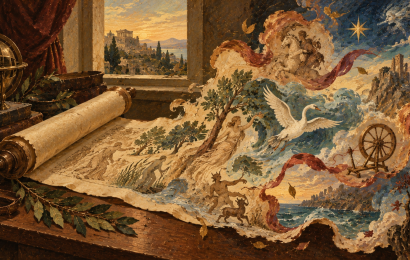
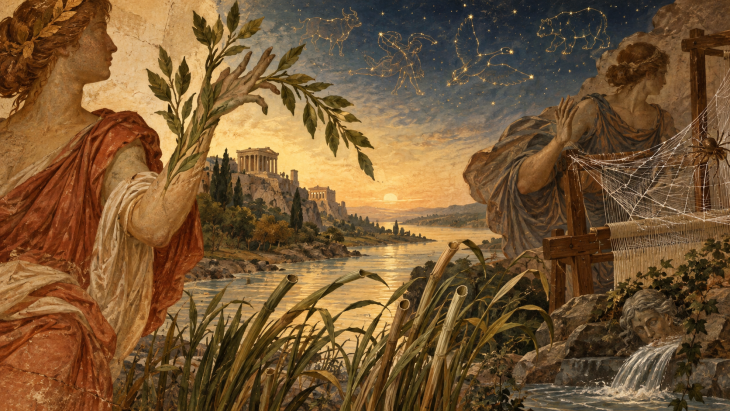
Homer took ten years to get Odysseus home. Ovid took fifteen books to refuse to sit still at all — and called the result his “carmen perpetuum.” Ask a student […]
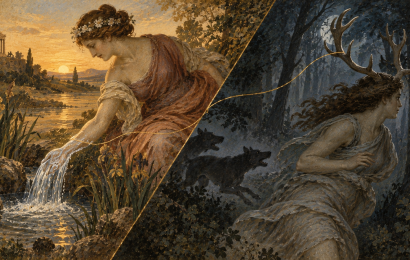
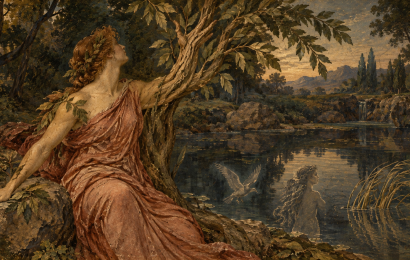
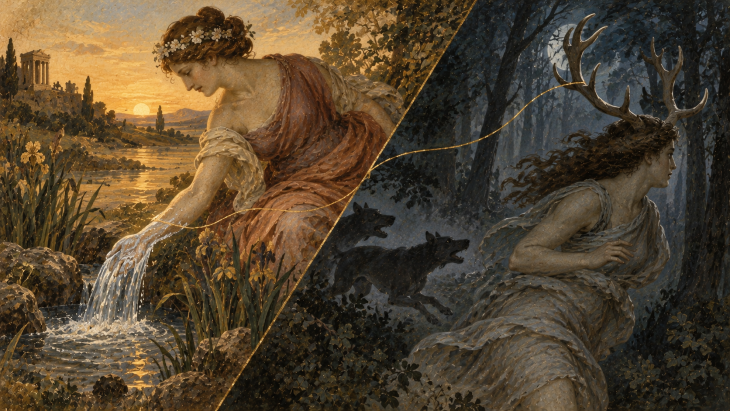
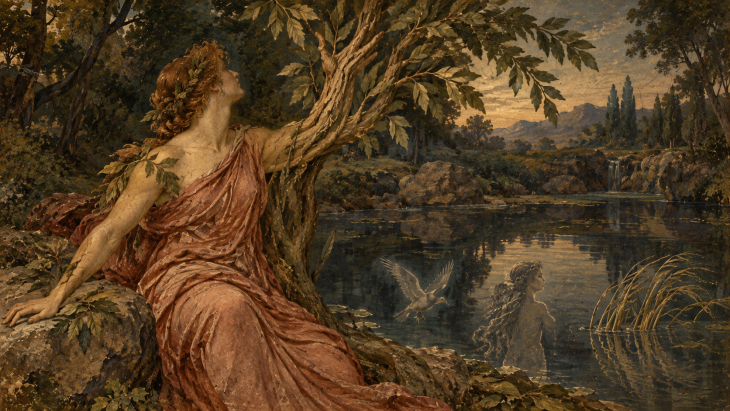
Daphne becomes a tree and survives. Actaeon becomes a stag and dies within minutes. Same poem, same god-given power, wildly different outcomes — and the difference tells you almost everything […]
Shakespeare read him in school. Titian painted him obsessively. Bernini carved him in marble. Two thousand years later, it is genuinely hard to find a corner of Western art Ovid […]
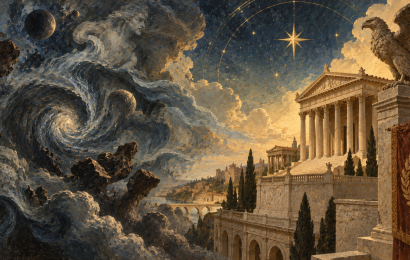
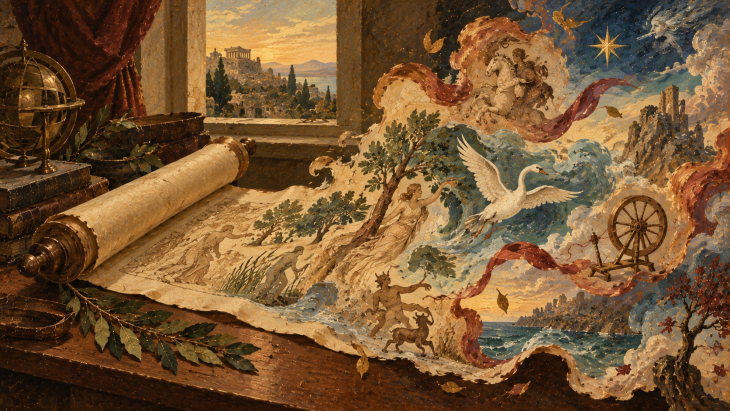
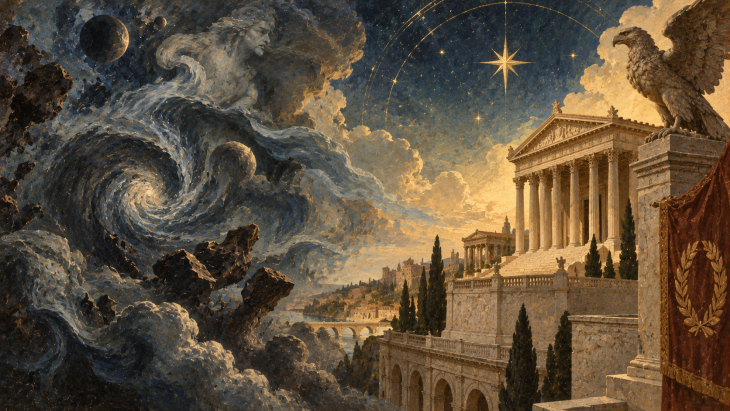
The Metamorphoses begins with the birth of the universe and ends with a Roman dictator becoming a star. What happens in between says more about Augustus than Ovid ever says […]
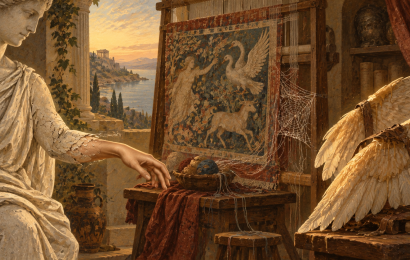
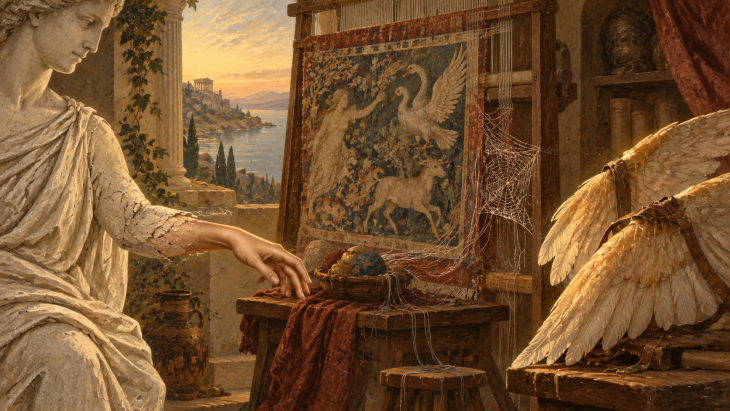
Pygmalion, Arachne, and Daedalus all build something too perfect for their own good. That is not a coincidence. A poet writing an epic about gods and mortals could reasonably be […]
Ovid’s most disturbing pattern isn’t the shapeshifting. It’s who gets to keep talking afterward. Open the Metamorphoses at almost any point and, sooner or later, a god wants something a […]
Every myth you think you know about gods turning people into trees, birds, and echoes probably starts here. Somewhere around 8 CE, in a Rome still figuring out what it […]
In 2003, as the United States prepared to invade Iraq, groups of activists across the world staged readings and performances of a play written for an Athenian festival audience in […]
Every translation of Lysistrata makes a quiet confession somewhere in its footnotes: a joke here doesn’t fully work in English, a pun there had to be replaced with a different […]
Modern readers usually meet Lysistrata on the page, which means they miss almost everything that made it work in the first place. This was not a story meant to be […]