Rape in Restoration Drama: Aphra Behn’s The Rover vs. Male Playwrights
The Restoration period in England (1660-1688) witnessed the emergence of a new kind of drama, characterized by wit, satire, and a focus on sexual themes. Restoration drama is notorious for its libertine themes and licentiousness, which frequently included representations of rape. While male playwrights such as William Wycherley, Sir George Etherege, and William Congreve dominated this era, Aphra Behn emerged as a prominent female dramatist. This essay examines the representation of rape in works of Restoration drama, comparing and contrasting Aphra Behn’s depiction in The Rover with that of her male counterparts.
Rape was a common theme in Restoration comedies, and it was often treated with a disturbing levity. While the plays portrayed sexual assault as morally wrong, they also made light of it through humor and farce, which contributed to the normalization of such acts. The libertine culture of the time endorsed a notion of male sexual entitlement, wherein men were expected to assert their power over women. As such, rape was often portrayed as an inevitable consequence of this power dynamic.
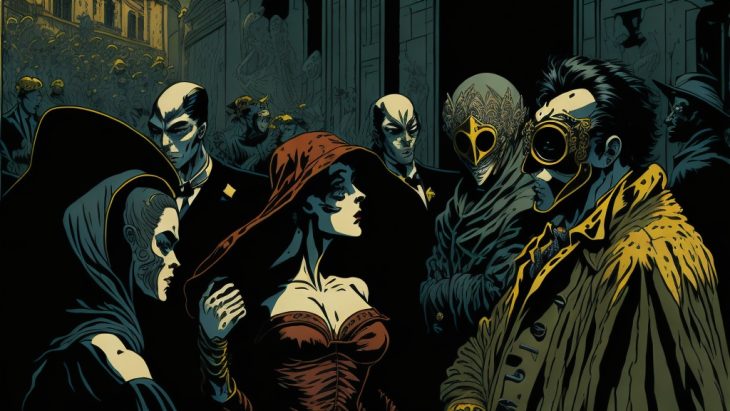
Aphra Behn’s The Rover (1677) is a groundbreaking work that challenged the traditional representation of rape in Restoration drama. The play centers around a group of cavaliers and their amorous pursuits during the carnival in Naples. Unlike her male contemporaries, Behn’s portrayal of rape is more nuanced and critical. Her characters engage in a dialogue that critiques the cavalier attitudes towards women’s autonomy, consent, and sexuality.
In The Rover, Florinda is almost raped twice—first by Blunt and later by Willmore. Both instances underscore the vulnerability of women and the entitlement of men. However, Behn does not trivialize these events but rather uses them as opportunities for critique. For instance, she employs the character of Hellena to challenge Willmore’s behavior, emphasizing the importance of consent and respect for women’s agency.
In comparison, the works of Wycherley, Etherege, and Congreve often treat rape as a mere plot device or an amusing incident. In Wycherley’s The Country Wife (1675), Horner’s deceitful scheme to gain access to married women is presented as comical, despite the fact that it involves non-consensual sex. Similarly, Etherege’s The Man of Mode (1676) and Congreve’s The Way of the World (1700) both contain instances of sexual aggression, with the would-be rapists facing little to no consequences.
While these playwrights did acknowledge the immorality of rape, their works often failed to challenge the prevailing cultural attitudes towards women’s autonomy and consent. Their plays tended to reaffirm the libertine ethos, which promoted male sexual entitlement and diminished the significance of women’s agency.
The representation of rape in Restoration drama is a reflection of the libertine culture that pervaded the era. While male playwrights like Wycherley, Etherege, and Congreve often perpetuated the normalization of rape through their works, Aphra Behn’s The Rover provides a more nuanced and critical depiction. By emphasizing the importance of consent and women’s autonomy, Behn’s play presents a valuable counterpoint to the cavalier attitudes prevalent in her contemporaries’ works. Thus, her contribution to the discourse on gender and sexuality during the Restoration period is crucial for understanding the shifting perspectives on these issues.
2 comments
I don’t think the title of your article matches the content lol. Just kidding, mainly because I had some doubts after reading the article.
Can you be more specific about the content of your article? After reading it, I still have some doubts. Hope you can help me.