One of the pleasures of reading Lewis Carroll is that his apparent nonsense almost always has a precise target. Behind the jokes about jam and birthdays, behind the backwards memory […]
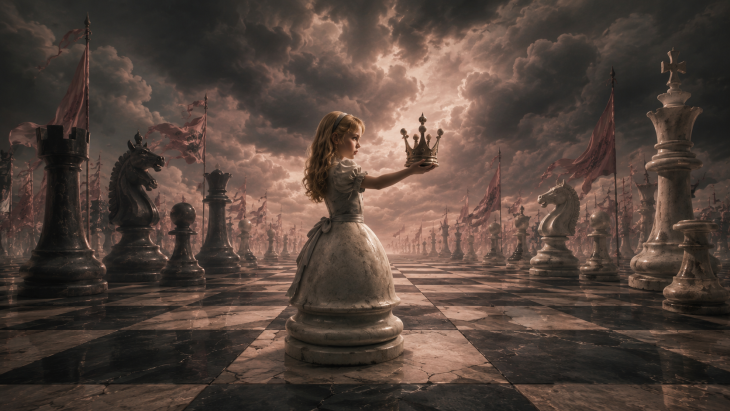
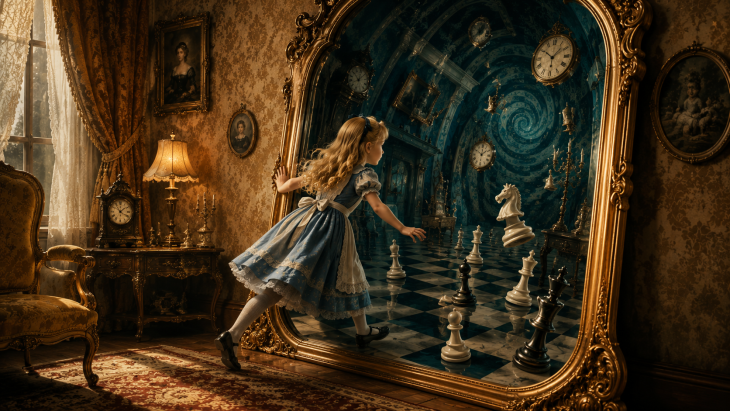
Alice begins Through the Looking-Glass as a pawn — the least powerful piece on the chessboard — and ends it as a Queen. On the surface, this is a story […]
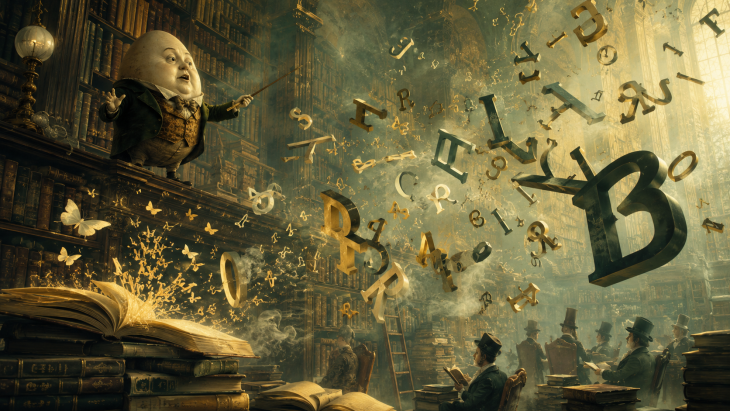
One of the most famous exchanges in all of English literature happens when Alice meets Humpty Dumpty sitting on his wall. They get into an argument — not about politics […]
When Lewis Carroll sat down to write the sequel to Alice’s Adventures in Wonderland (1865), he did not simply send Alice tumbling down another rabbit hole. Instead, he invented an […]
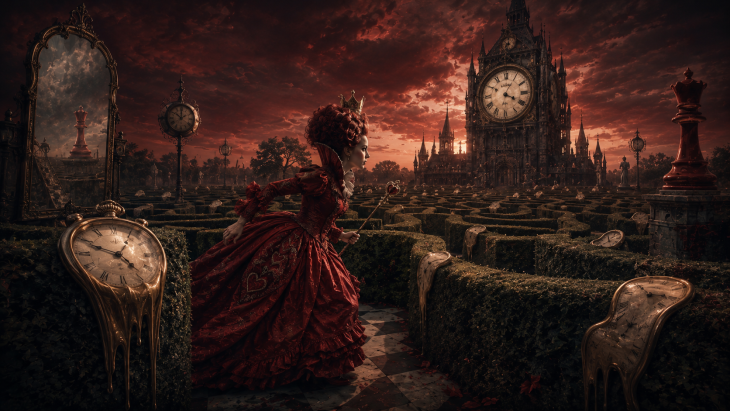
Lewis Carroll’s Through the Looking-Glass, and What Alice Found There (1871) serves as far more than a whimsical children’s fantasy. Through the ingenious device of the looking-glass world—a mirror universe […]
The following questions have been answered within 200 words each. 1. How does the chess game structure organize the narrative of Through the Looking-Glass? The chess game provides the fundamental […]